This is an exquisite pair of Art Nouveau Vases that have been fitted as lamps. The Ceramic bases are firmly attributed to Pierre Adrien Dalpayrat (1844-1910). The ceramic stoneware bases are glazed in the iconic Dalpayrat red; the ox blood glazed base is finely detailed in a multi-colored thick drip glaze characteristic of Dalpayrat ceramics. The vases are in overall very good condition with no faults noted. There is minor anticipated patina.
PIERRE-ADRIEN DALPAYRAT (1844-1910) After working nearly half his life as an itinerant faience painter and directing production for commercial porcelain manufacturers, Dalpayrat’s eyes were finally opened to reveal his true calling. Ernest Chaplet had just won the gold medal at l’Exposition Universelle for his revolutionary sang-de-boeuf glazed stoneware. That same year, sparked by Chaplet’s revelatory creations, Dalpayrat moved to the hub of ceramic activity just southwest of Paris in Bourg-la-Reine to began extensive research into glazes and to begin producing stoneware. Featuring what has since come to be known as “Dalpayrat Red,” he exploded on the Parisian art scene in 1892 with the first of many shows at the prominent Galerie Georges Petit. One of the most critically acclaimed ceramists of his time, Dalpayrat was made Chevalier de la Legion d’Honneur in 1900.
Condition: Excellent
Dimensions: 12” high (ceramic)
Creation: C. 1890 - 1900
Inventory: mjhdesignarts.05.xx.26
This is an exquisite pair of Art Nouveau Vases that have been fitted as lamps. The Ceramic bases are firmly attributed to Pierre Adrien Dalpayrat (1844-1910). The ceramic stoneware bases are glazed in the iconic Dalpayrat red; the ox blood glazed base is finely detailed in a multi-colored thick drip glaze characteristic of Dalpayrat ceramics. The vases are in overall very good condition with no faults noted. There is minor anticipated patina.
PIERRE-ADRIEN DALPAYRAT (1844-1910) After working nearly half his life as an itinerant faience painter and directing production for commercial porcelain manufacturers, Dalpayrat’s eyes were finally opened to reveal his true calling. Ernest Chaplet had just won the gold medal at l’Exposition Universelle for his revolutionary sang-de-boeuf glazed stoneware. That same year, sparked by Chaplet’s revelatory creations, Dalpayrat moved to the hub of ceramic activity just southwest of Paris in Bourg-la-Reine to began extensive research into glazes and to begin producing stoneware. Featuring what has since come to be known as “Dalpayrat Red,” he exploded on the Parisian art scene in 1892 with the first of many shows at the prominent Galerie Georges Petit. One of the most critically acclaimed ceramists of his time, Dalpayrat was made Chevalier de la Legion d’Honneur in 1900.
Condition: Excellent
Dimensions: 12” high (ceramic)
Creation: C. 1890 - 1900
Inventory: mjhdesignarts.05.xx.26

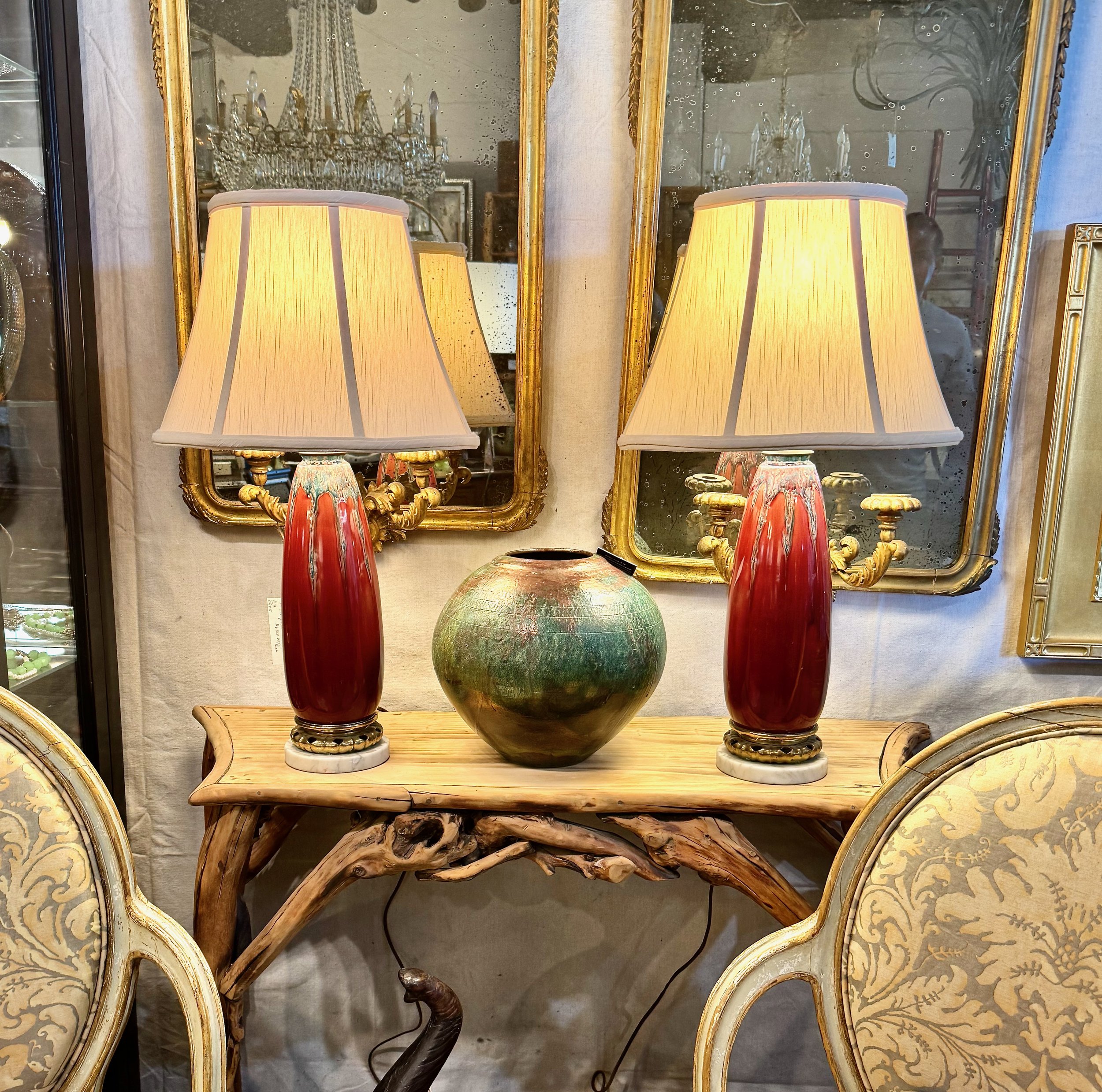 Image 1 of 11
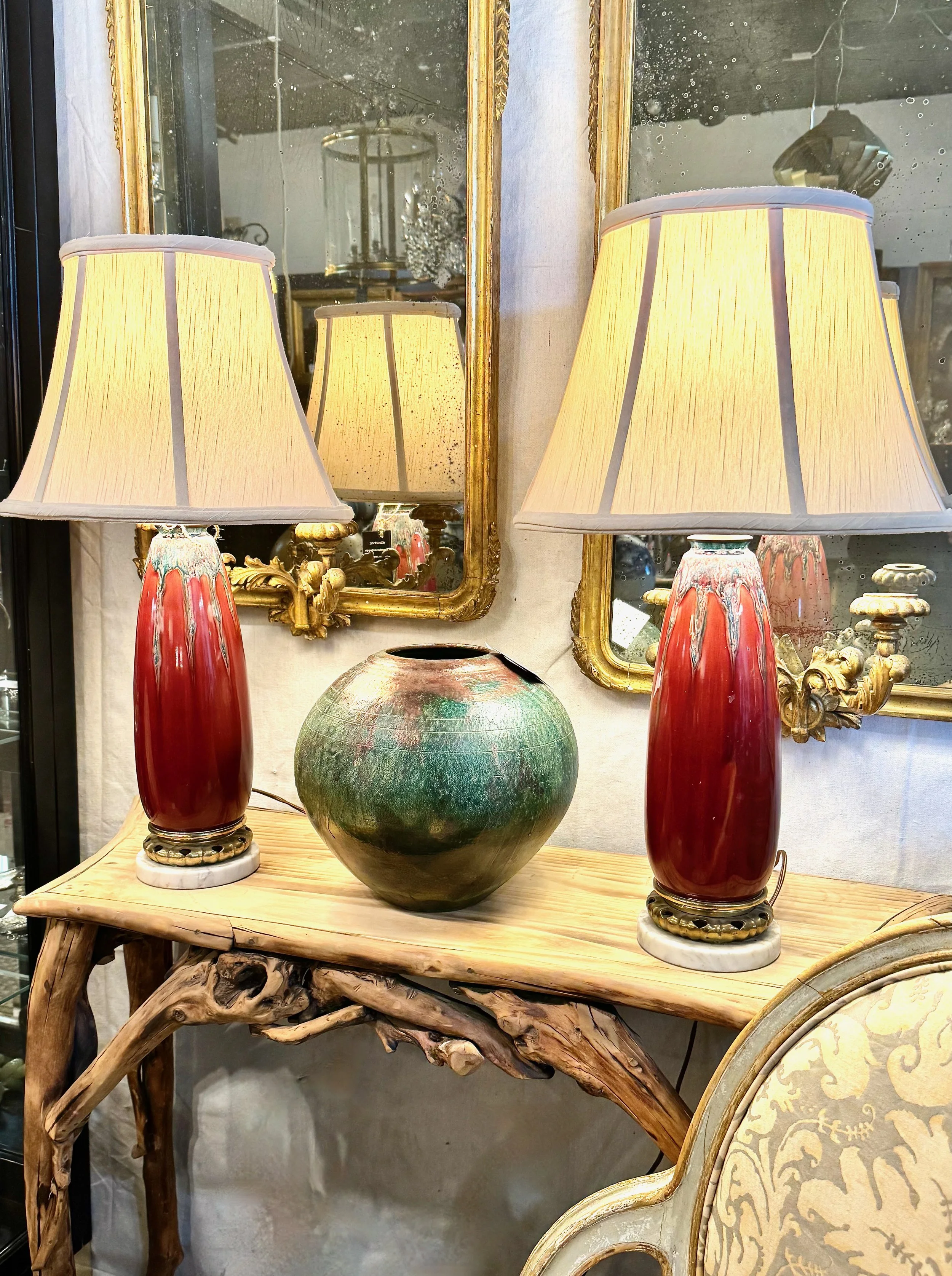 Image 2 of 11
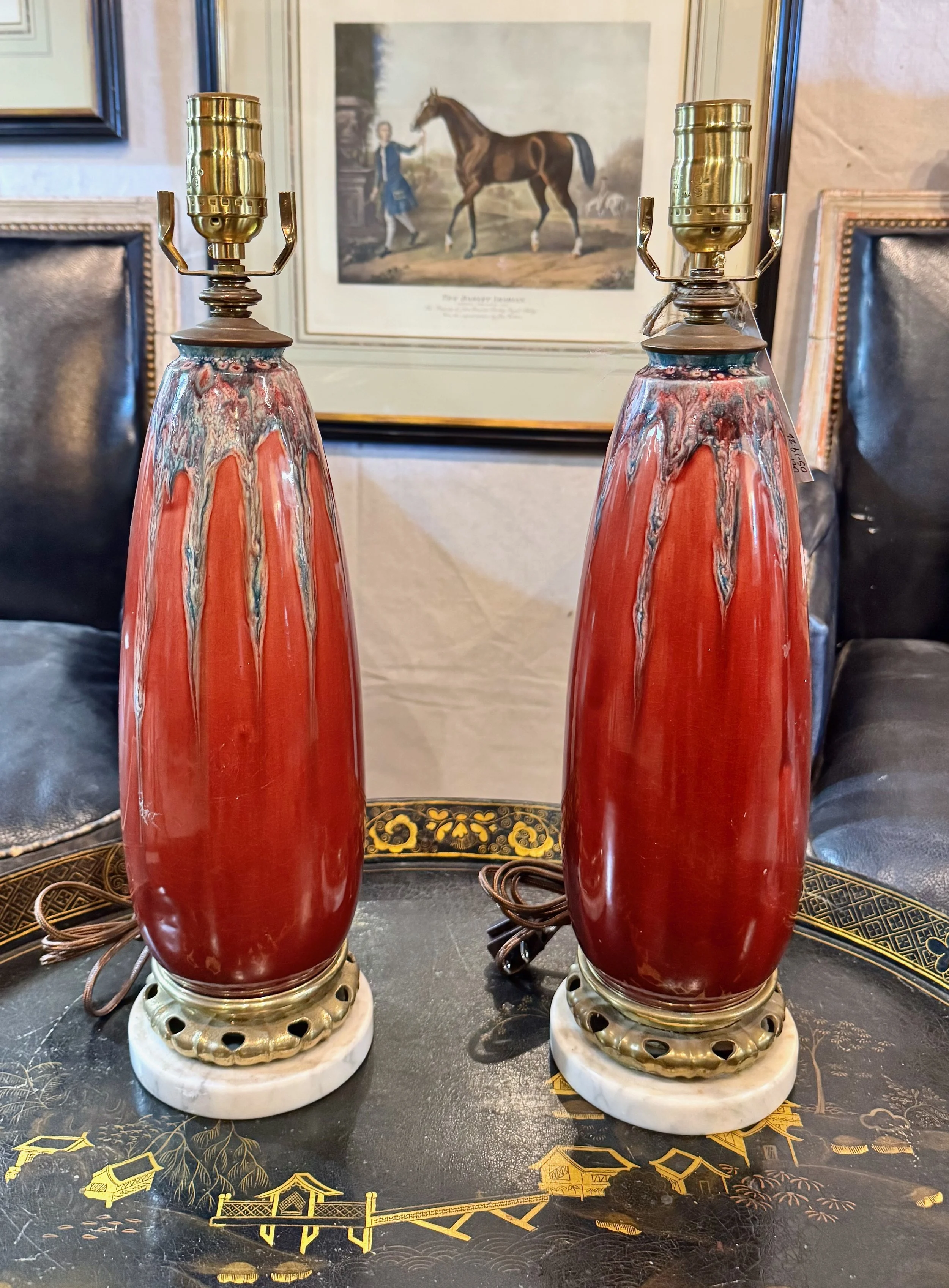 Image 3 of 11
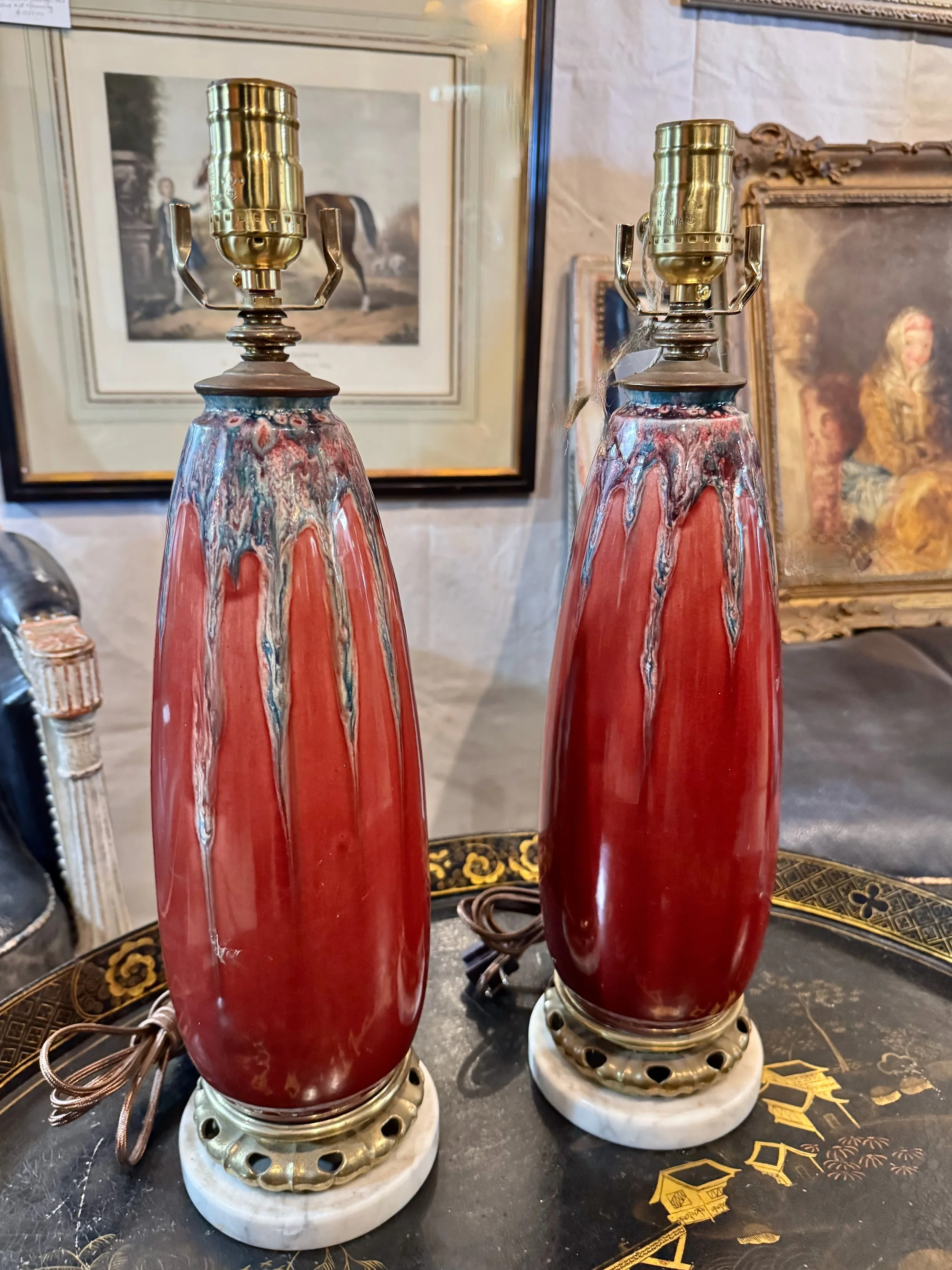 Image 4 of 11
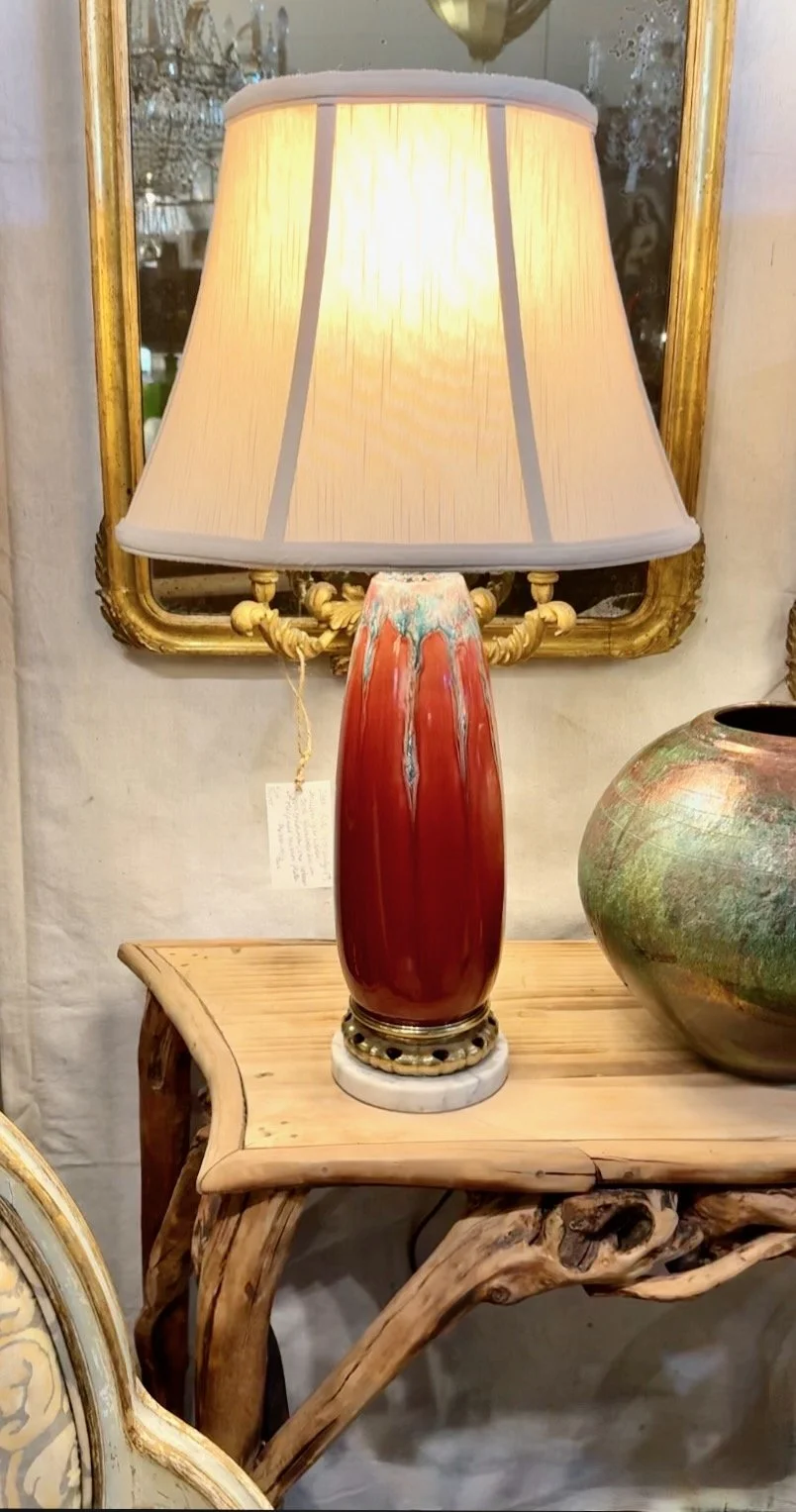 Image 5 of 11
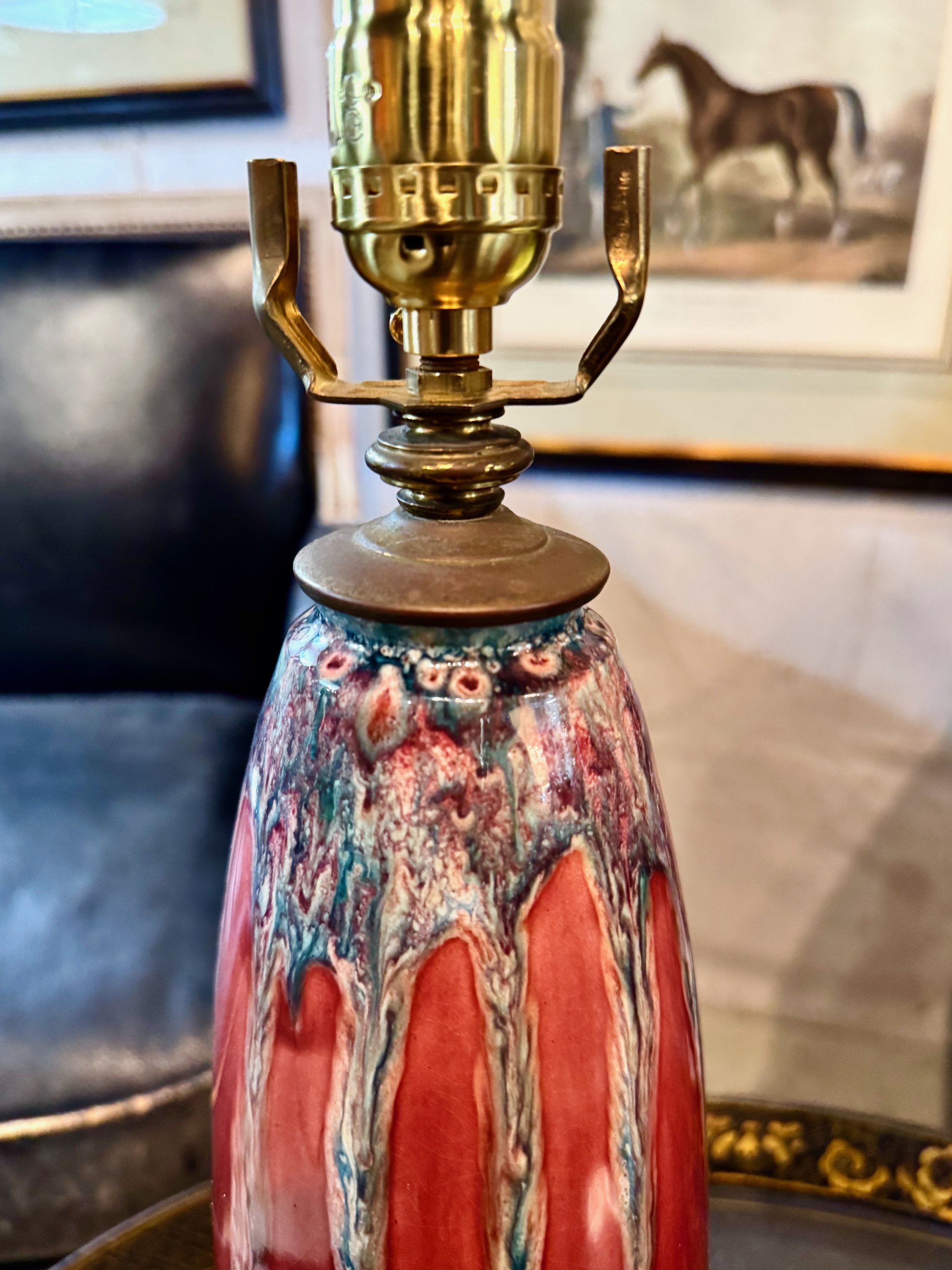 Image 6 of 11
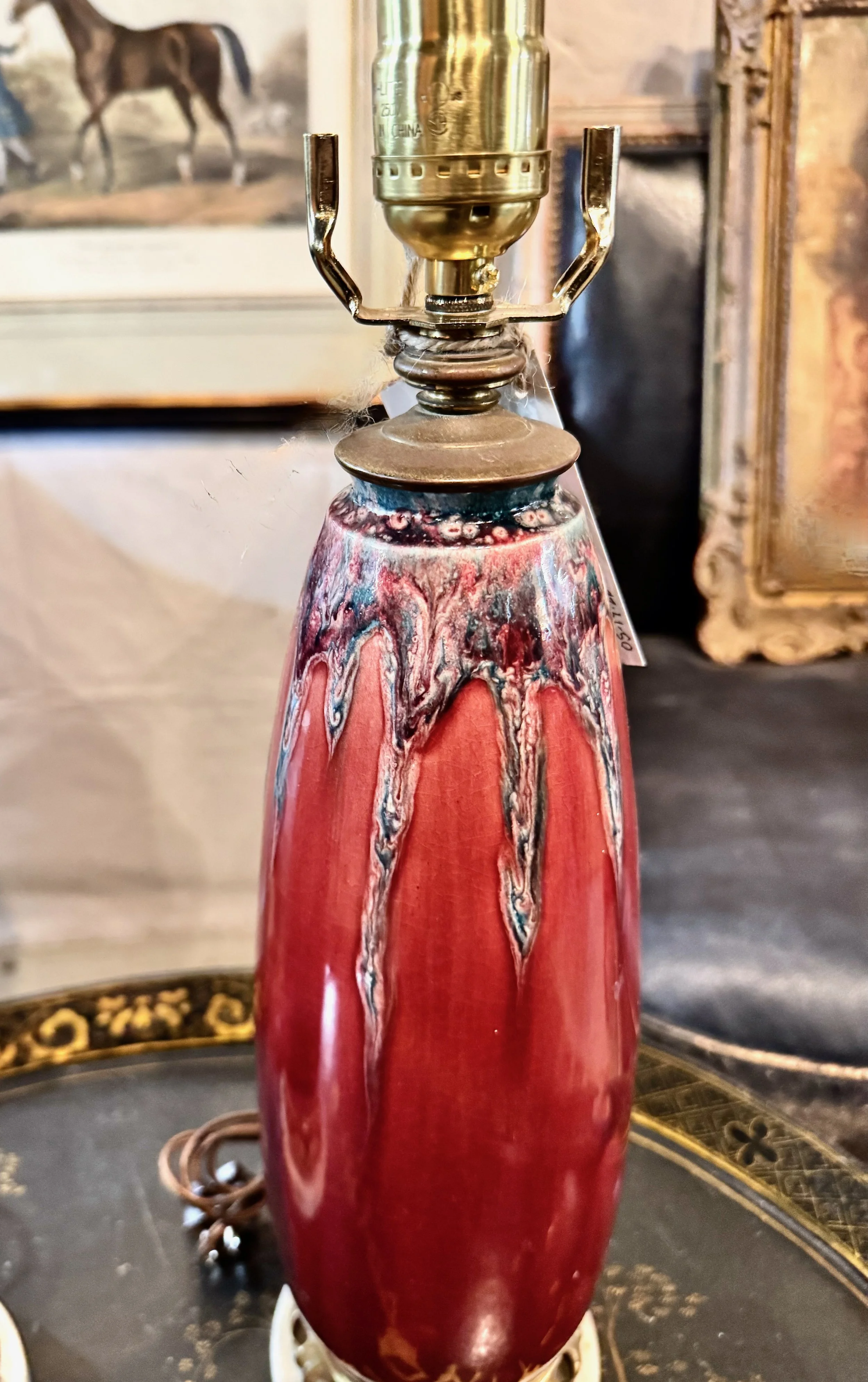 Image 7 of 11
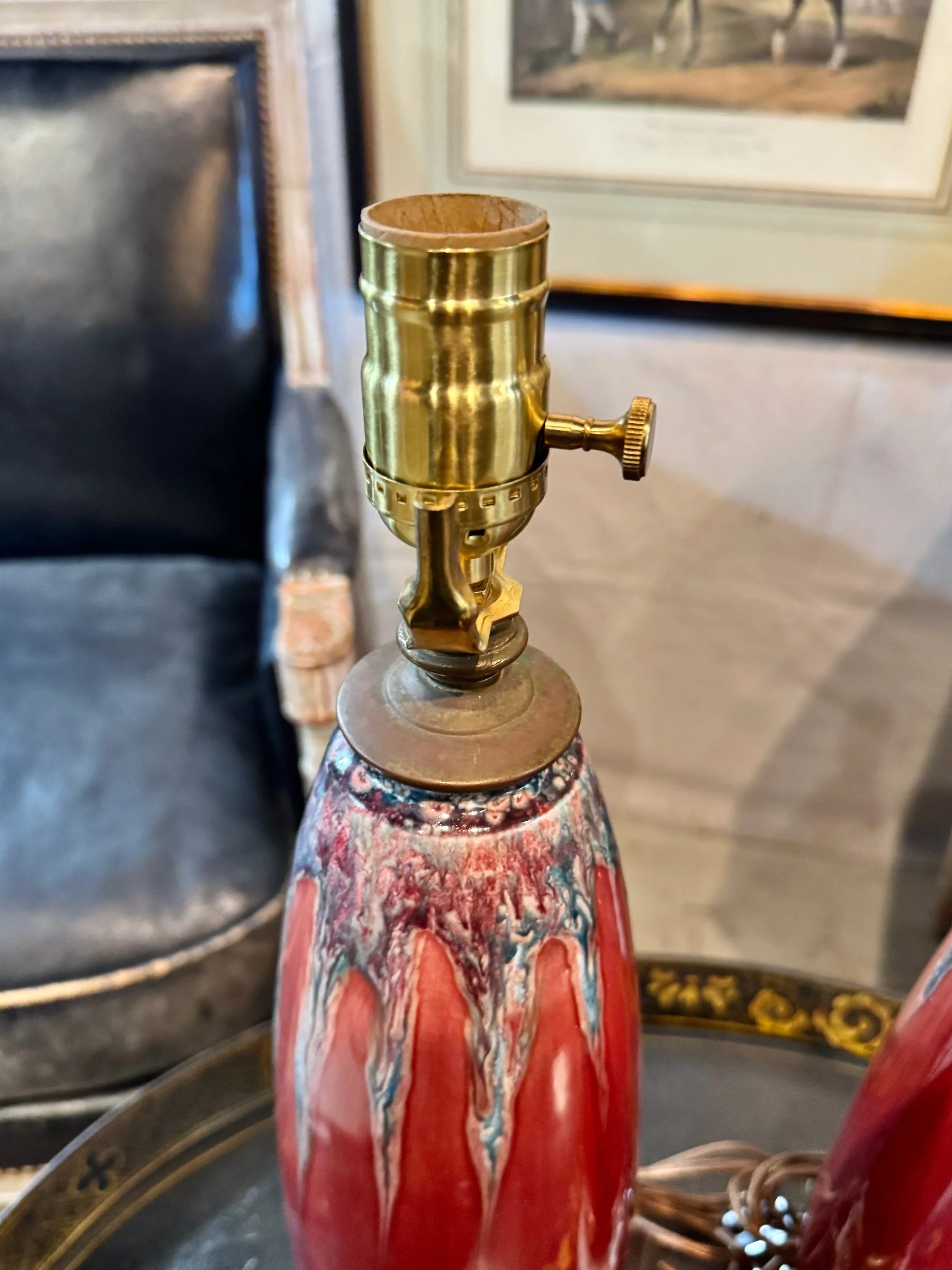 Image 8 of 11
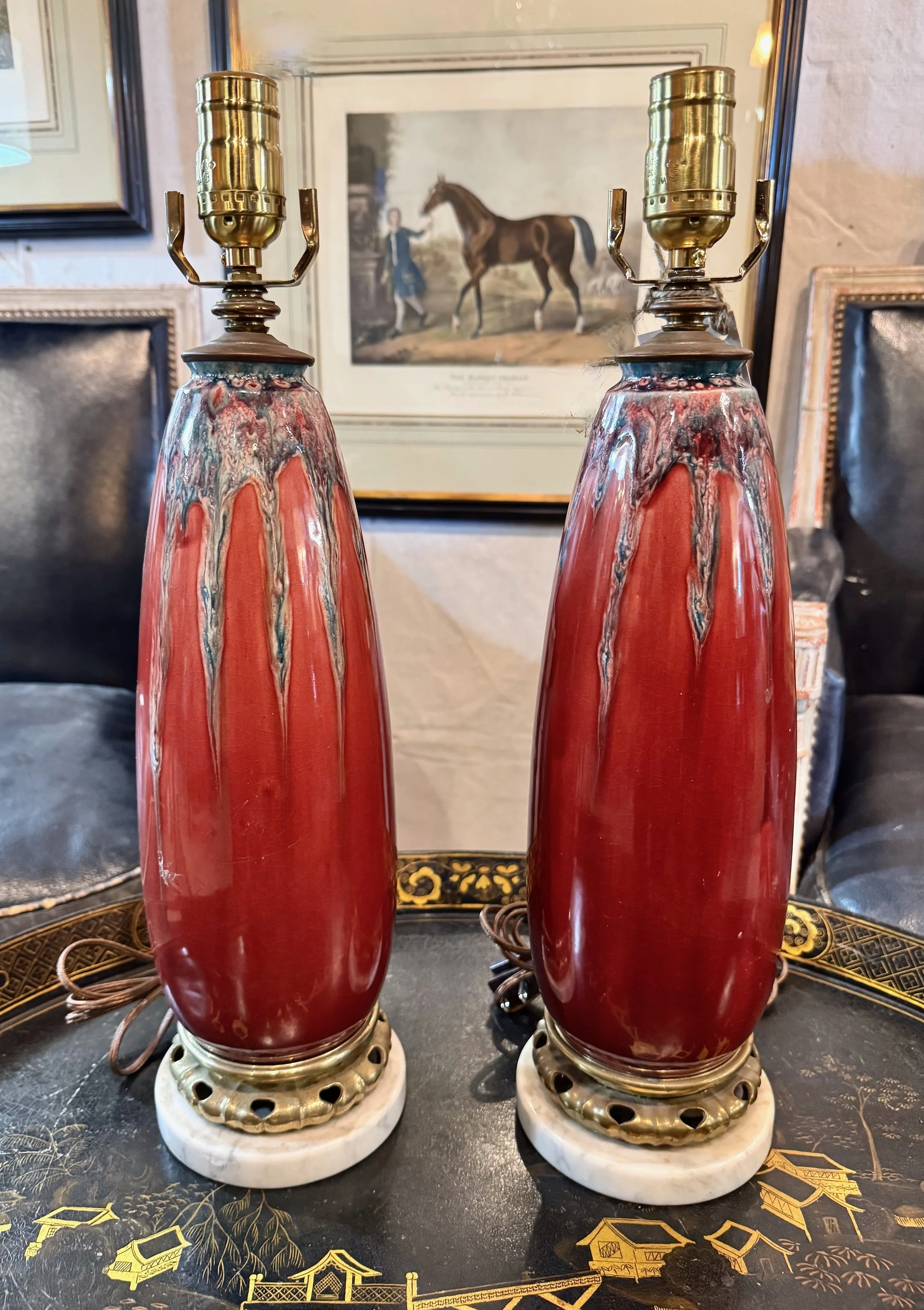 Image 9 of 11
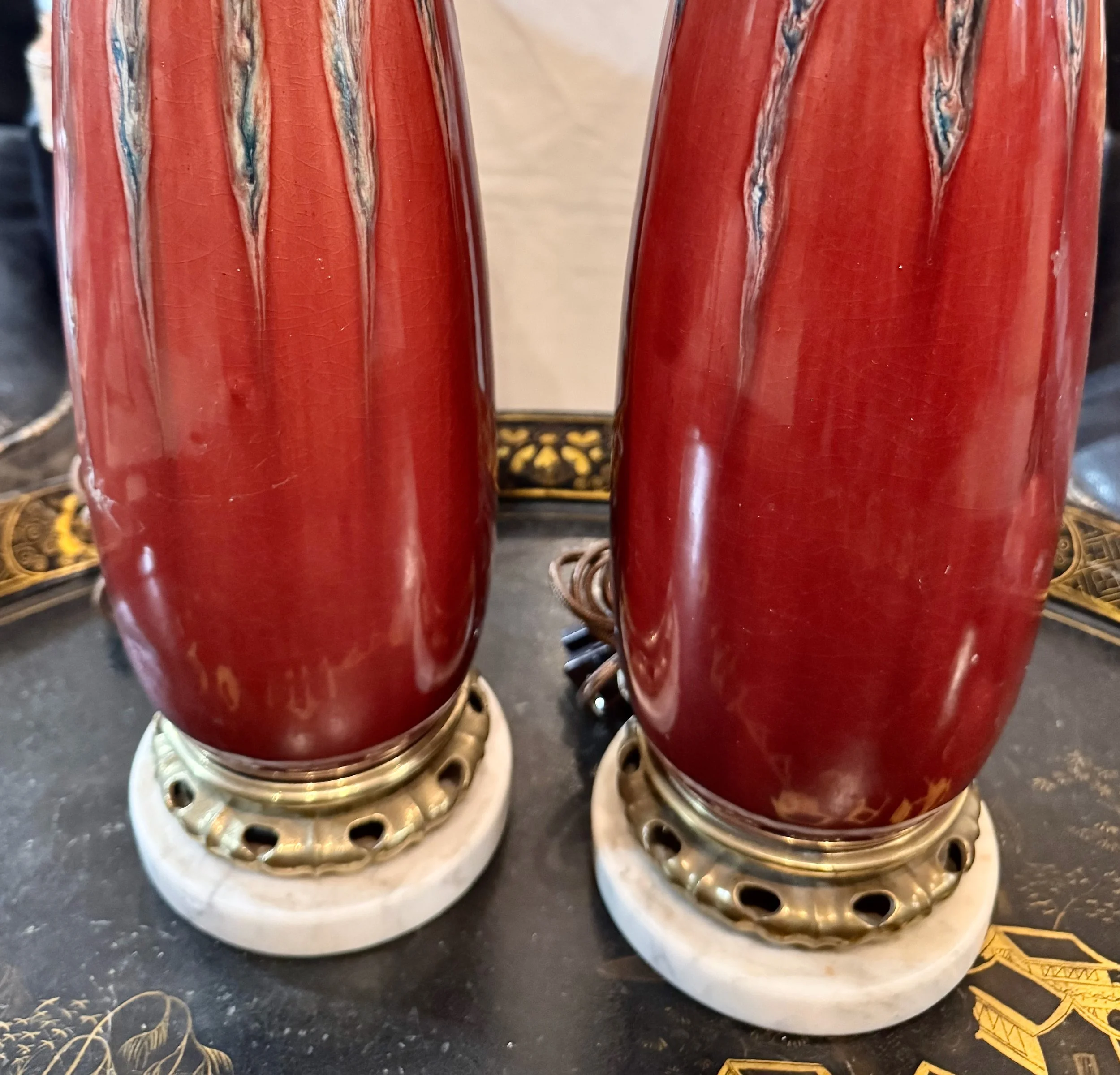 Image 10 of 11
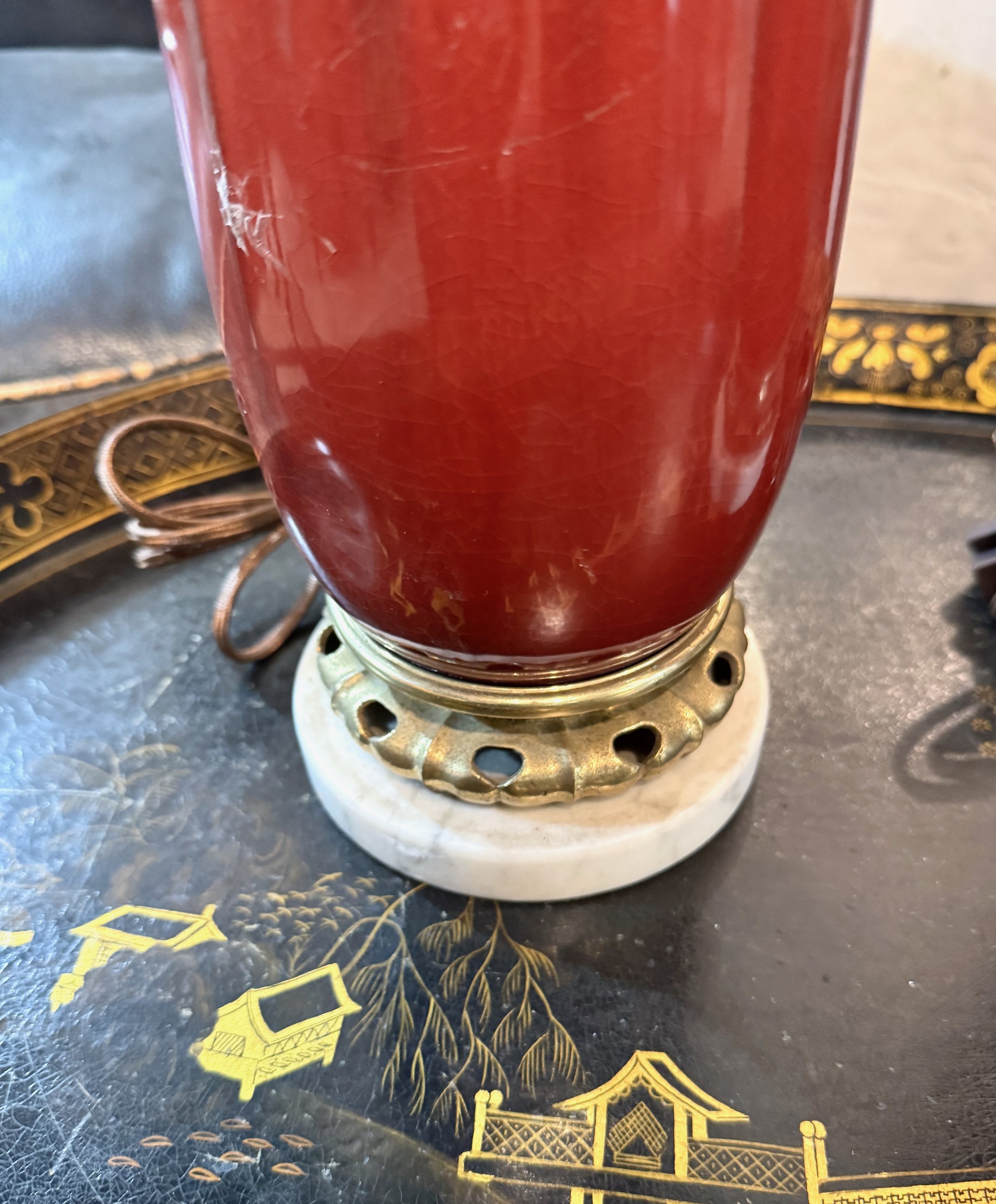 Image 11 of 11